Case Study 1:

Eaton Fire Immersive Audio Project
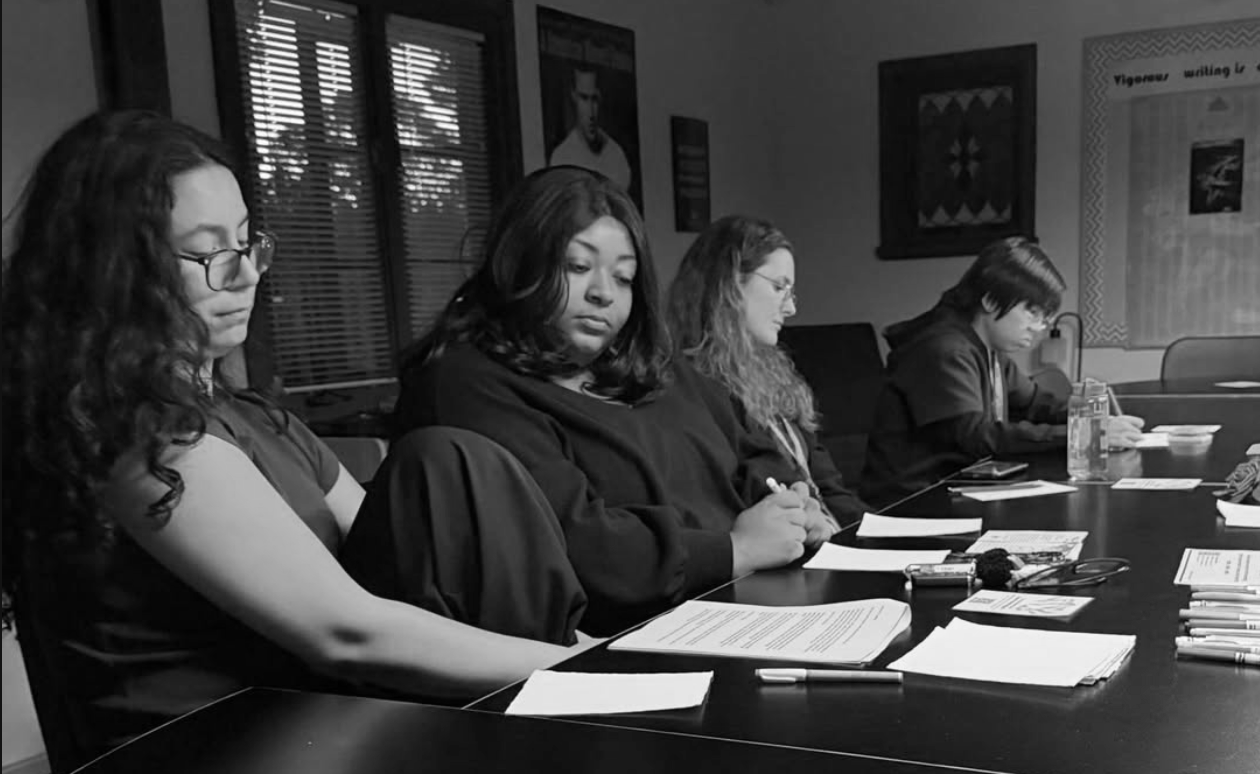
A public listening experience built by and for a community recovering from a devastating wild fire.

How can we use climate psychology and storytelling to help Altadena, California heal after the Eaton Fire?

Overview

This project began with a question about how people relate to place, memory, and drastic environmental change. In a short period of time while home in Los Angeles, I developed and produced an immersive audio experience rooted in stories gathered from my high school’s alumni community in Altadena. The work was later shared publicly at the school and received such a strong response, it will be remounted this spring at a local business in Altadena and kickstarted a wider, community-based documentary project to preserve the Altadena history lost to the flames.

The Challenge

Climate and environmental issues are often communicated in ways that feel distant, overwhelming, or overly conceptual. I wanted to create a form that made those themes emotionally legible through human stories, while staying grounded in the urgent realities of the community itself. I also wanted to explore drama therapy’s potential applications for environmental trauma and solastalgia.

The Insight

People do not connect to complexity through information alone. They connect through narrative, voice, memory, and recognition. Additionally, healing follows a non-linear timeline, benefits substantially from storytelling, and responds exponentially when it takes place in community.

My Role

Creative direction | Project design | Community outreach | Interview development and story gathering | Narrative shaping | Audio editing and sound design | Public experience production

Process

I designed the project around careful listening, thematic synthesis, and immersive storytelling. Drawing from my background in environmental communication and the psychology of climate change, I built an approach that treated story not just as content, but as a way of helping people locate themselves inside larger issues. The process moved from research and trust-building, to interviews, to story selection and shaping, to audio editing and final presentation.

Outcome

The final work was presented publicly at the high school and received positive feedback. More importantly, it created a shared listening experience that held community stories with care while making broader environmental and psychological themes feel immediate and human.

Why It Matters

This project reflects the kind of work I want to keep doing: translating complex issues into emotionally resonant experiences, building community-centered creative processes, and exploring formats beyond traditional linear media.

AI Reflection

Projects like this also point toward future creative workflows. I’m interested in how AI can help with transcription, synthesis, pattern recognition, and iteration, while still keeping human judgment, ethics, and emotional intelligence at the center.

Next
Next

Case Study 2