Case Study 2:

Orpheus Descending - Producing an Off-West End Show
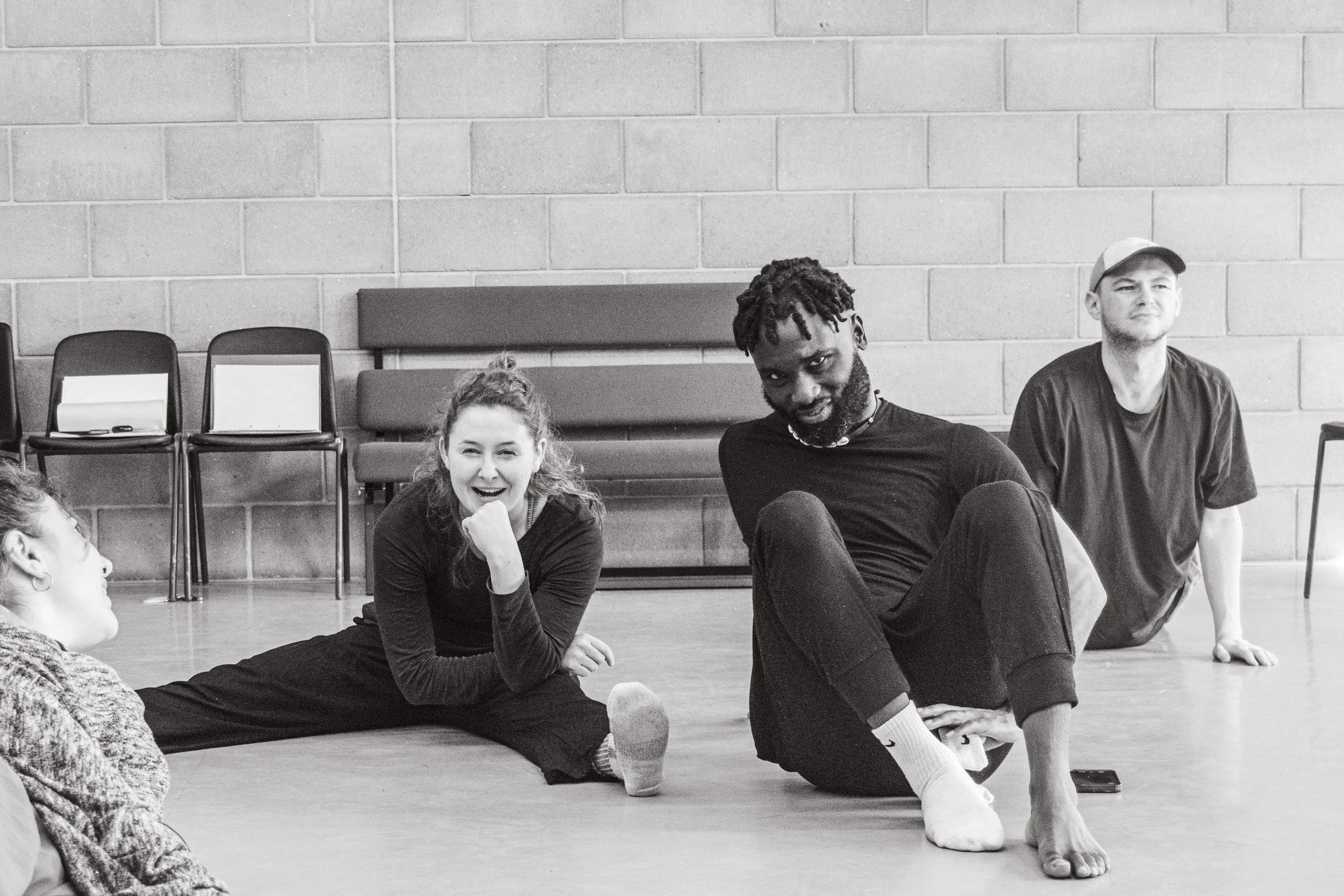
Building structure, momentum, and creative clarity under pressure

What does creative leadership look like when a production has vision, but no system strong enough to carry it?

Overview

I produced and acted in a London staging of Orpheus Descending after stepping into a project that urgently needed structure. What began as an acting role quickly became a leadership role when it became clear that the production required project management, team coordination, and stronger operational support in order to succeed.

The Challenge

The production involved more than 20 people, many of whom were contributing their time for free. Scheduling was disorganized, communication lacked clarity, and the project risked losing momentum. The challenge was to build enough structure to support the work without flattening the collaborative spirit of the process.

The Move

I stepped in to help create the systems the production needed: team organization, communication rhythms, logistics, fundraising, budgeting, venue coordination, and marketing support.

My Role

Production leadership | Team & workflow coordination | Budgeting & fundraising | Rehearsal & venue logistics | Marketing & outreach | Creative decision support | Lead performance in the production

Process

The work required balancing many kinds of labor at once: creative, emotional, logistical, and interpersonal. Decisions had to be made collectively, but also in service of the story and with respect for the limited time and energy of a large unpaid team. That meant building structure without becoming rigid, and maintaining momentum without burning people out.

Outcome

The production successfully ran for a week at The Cockpit in London. We raised enough funding to cover the production’s costs, mounted the show successfully, and delivered a fully realized piece of live work in a high-pressure environment.

Why It Matters

This was a major turning point for me. It clarified how much of creative leadership is actually about reducing friction, building trust, and creating systems that allow artists to do their best work.

AI Reflection

This project also made me vividly aware of how AI could support creative teams, especially in areas like scheduling, communication, workflow management, and cognitive offloading. It pushed me to think more seriously about the future of creative work and the opportunity to build tools that empower, rather than replace, human makers.

Previous
Previous

Case Study 1

Next
Next

Case Study 3